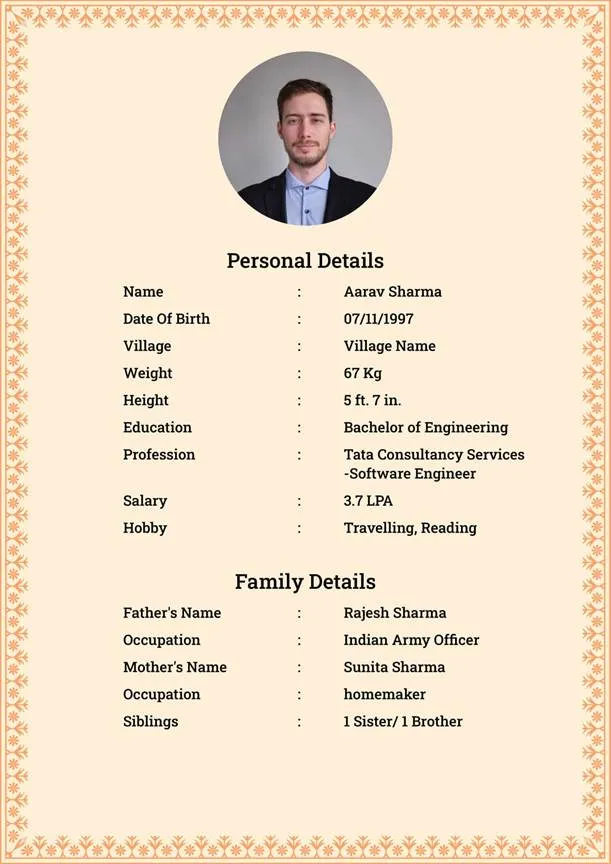
In many cultures today, a wedding biodata is more than just a formal document—it is the first meaningful introduction between two individuals and their families. It tells your story in a structured way, highlighting who you are, what you do, and what kind of life partner you are looking for.
A well-prepared biodata can make a big difference in arranged marriage discussions because it saves time, builds trust, and helps people understand compatibility at a glance. If written thoughtfully, it becomes a reflection of your personality, values, and lifestyle.
This guide will walk you through how to make a strong wedding biodata, what details you should include, how to present it effectively, and how platforms like createmybiodata can make the process smooth and professional.
Understanding What a Wedding Biodata Really Is
A wedding biodata is a structured profile used for marriage proposals. Unlike a resume that focuses on jobs, a biodata focuses on personal life, family background, education, and expectations for a life partner.
It answers simple but important questions:
-
Who are you as a person?
-
What is your background and lifestyle?
-
What are your expectations from a partner?
The purpose is not to impress with complexity, but to present yourself clearly and honestly.
Step-by-Step Guide: How to Make a Wedding Biodata
Creating a biodata becomes easy when you follow a proper structure. Think of it as building a story about your life, section by section.
1. Personal Information: The First Introduction
This section gives the basic identity details. It should be simple and accurate.
Include:
-
Full name
-
Date of birth and age
-
Height
-
Religion (if relevant in your culture)
-
Current city or location
This is the first impression section, so clarity matters more than anything else.
2. Educational Background: Your Academic Journey
Education plays an important role in compatibility discussions. It reflects discipline and career direction.
Add:
-
Highest qualification
-
Degree or field of study
-
Name of institution
-
Year of completion
Keep it straightforward and avoid unnecessary academic history unless it adds value.
3. Professional Details: Your Career Identity
Your profession shows stability and future direction in life.
Include:
-
Job title or profession
-
Company or business name
-
Work location
-
Income range (optional depending on comfort level)
If you are a student or preparing for exams, mention your current status honestly.
4. Family Background: Building Trust and Understanding
Family background helps others understand your values and upbringing.
Mention:
-
Father’s occupation
-
Mother’s occupation
-
Number of siblings
-
Family residence
-
A short note on family values (optional)
This section helps create emotional trust between families.
5. Lifestyle and Personality: Showing the Real You
This is the section where your biodata becomes more personal and relatable.
Include:
-
Diet preference (vegetarian/non-vegetarian)
-
Hobbies and interests
-
Personality traits (calm, friendly, ambitious, etc.)
-
Lifestyle habits (only if you are comfortable sharing)
This section helps people understand you beyond formal details.
6. Partner Expectations: Being Clear but Respectful
This is one of the most important parts of a wedding biodata. It should be written carefully.
You can include:
-
Age preference range
-
Education or profession expectations
-
Personality qualities you value
-
Family values importance
It is better to stay flexible and respectful rather than strict or overly specific.
7. Adding a Photograph: Creating Visual Trust
A photo adds a personal touch and increases connection. It should be:
-
Clear and well-lit
-
Simple and formal or semi-formal
-
Free from heavy filters
-
Focused on natural appearance
A good photo creates a strong emotional first impression.
What Makes a Wedding Biodata Truly Effective?
A strong biodata is not about decoration or fancy design. It is about clarity, honesty, and balance.
A well-written biodata:
-
Is easy to read and understand
-
Contains only relevant information
-
Presents details in a clean structure
-
Feels natural and genuine
-
Reflects personality without exaggeration
When someone reads your biodata, they should quickly understand who you are without confusion.
Common Mistakes to Avoid in Biodata Creation
Many biodata profiles lose impact because of simple mistakes. Avoid these to make yours more effective:
-
Overloading unnecessary personal details
-
Using unclear or overly edited photos
-
Writing unrealistic expectations
-
Leaving out important career or education details
-
Making the format too complicated
Simplicity always creates a better impression than complexity.
Modern Approach to Wedding Biodata
Today, biodata is not limited to printed pages. It is often shared digitally through WhatsApp, email, or online platforms. Because of this shift, presentation matters even more.
A modern biodata should be:
-
Neatly formatted
-
Mobile-friendly
-
Easy to download and share
-
Professionally structured
This makes it suitable for both traditional and digital matchmaking systems.
Why Biodata Still Matters in Arranged Marriages
Even with modern matchmaking apps and social platforms, biodata remains important because it provides structured and verified information.
It helps:
-
Families quickly understand compatibility
-
Reduce unnecessary conversations
-
Create a formal introduction
-
Build trust between two sides
-
Save time in decision-making
A biodata acts as a foundation for meaningful discussions.
How createmybiodata Helps You Build a Professional Biodata
Creating a biodata manually can feel confusing, especially when it comes to formatting and presentation. This is where createmybiodata makes the process simple and efficient.
With createmybiodata, users can:
-
Create structured wedding biodata quickly
-
Use clean and elegant templates
-
Organize information in a professional layout
-
Easily download and share biodata in digital format
Instead of struggling with design or layout, users can focus only on entering their details while the platform handles presentation automatically.
Final Thoughts
A wedding biodata is more than a formal document—it is a personal introduction that can shape the beginning of an important life journey. When written with care, it reflects honesty, clarity, and personality.
The key to a strong biodata is simplicity. Clear structure, truthful information, and a balanced presentation make it effective and trustworthy. Avoid overcomplicating it, and focus on what truly matters: who you are and what you are looking for.
With tools like createmybiodata, creating a well-organized and professional biodata becomes easier, helping you present yourself in the best possible way for meaningful connections.
